Inspiration

Here comes autumn

So how did the classical Latin become so incoherent? According to McClintock, a 15th century typesetter likely scrambled part of Cicero’s De Finibus in order to provide placeholder text to mockup various fonts for a type specimen book. It’s difficult to find examples of lorem ipsum in use before Letraset made it popular as a dummy text in the 1960s, although McClintock says he remembers coming across the lorem ipsum passage in a book of old metal type samples. So far he hasn’t relocated where he once saw the passage, but the popularity of Cicero in the 15th century supports the theory that the filler text has been used for centuries.

Don’t bother typing “lorem ipsum” into Google translate. If you already tried, you may have gotten anything from “NATO” to “China”, depending on how you capitalized the letters. The bizarre translation was fodder for conspiracy theories, but Google has since updated its “lorem ipsum” translation to, boringly enough, “lorem ipsum”. One brave soul did take a stab at translating the almost-not-quite-Latin.

According to The Guardian, Jaspreet Singh Boparai undertook the challenge with the goal of making the text “precisely as incoherent in English as it is in Latin – and to make it incoherent in the same way”. As a result, “the Greek ‘eu’ in Latin became the French ‘bien’ […] and the ‘-ing’ ending in ‘lorem ipsum’ seemed best rendered by an ‘-iendum’ in English.”

Find Your Focus While Working

As an alternative theory, (and because Latin scholars do this sort of thing) someone tracked down a 1914 Latin edition of De Finibus which challenges McClintock’s 15th century claims and suggests that the dawn of lorem ipsum was as recent as the 20th century. The 1914 Loeb Classical Library Edition ran out of room on page 34 for the Latin phrase “dolorem ipsum” (sorrow in itself). Thus, the truncated phrase leaves one page dangling with “do-”, while another begins with the now ubiquitous “lorem ipsum”.

Whether a medieval typesetter chose to garble a well-known (but non-Biblical—that would have been sacrilegious) text, or whether a quirk in the 1914 Loeb Edition inspired a graphic designer, it’s admittedly an odd way for Cicero to sail into the 21st century.

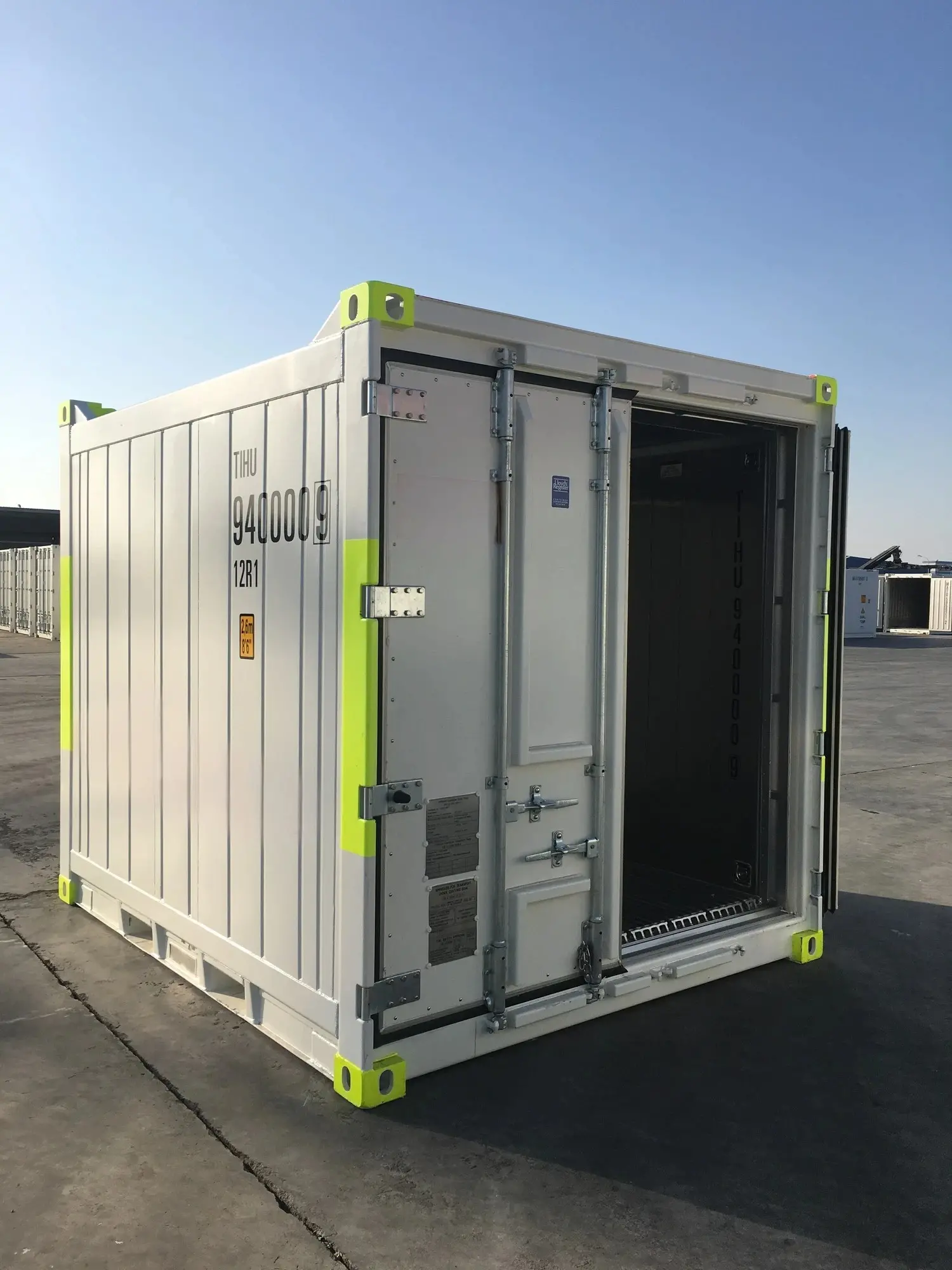
10 Fuß Kühlcontainer – DNV-zertifiziert
2,250.00  inkl. MwSt.
Kompakte Präzision für extreme Einsatzbedingungen Wenn es um temperaturgeführte Transporte unter härtesten Bedingungen geht, ist der 10-Fuß-DNV-Kühlcontainer die ideale Wahl. Er vereint modernste Kühltechnologie, extreme strukturelle Festigkeit und umfassende Zertifizierung für Offshore-Anwendungen – und das alles in einem kompakten, leicht zu transportierenden Format. 10-Fuß-DNV-Kühlcontainer Ob für eine Ölplattform, ein Schiff, den Export von Pharmazeutika oder die Krisenlogistik – dieser Container bietet sowohl Temperaturkontrolle als auch eine zuverlässige Konstruktion und weltweite Einsatzfähigkeit. 10-Fuß-DNV-Kühlcontainer Übersetzt mit DeepL.com (kostenlose Version)

10 Fuß Werkstattcontainer

Ursprünglicher Preis war: 2,990.00 €Aktueller Preis ist: 1,800.00 €. inkl. MwSt.
Technische Daten Außenmaße (L x B x H): 2.991 x 2.438 x 2.591 mm Maximale Tragkraft: 10.160 kg Standardfarbe: RAL 5013 Im Lieferumfang enthalten: Belüftungsöffnungen Safe Hohe Türgriffe Holzboden Staplertaschen Ausstattung Einschließlich verschweißter Regalböden Stahl-Aufbewahrungsschrank Werkbank mit Holzplatte Stahlschubladen unter der Werkbank Mehrere Aufbewahrungshaken für Kabel, Ketten und Schläuche

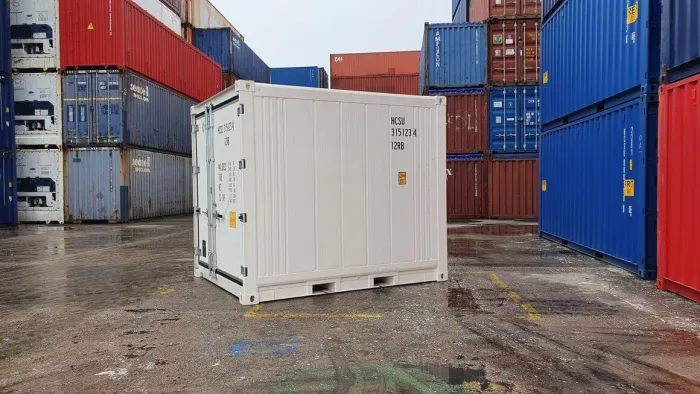
10-Fuß-Kühlcontainer

1,300.00  inkl. MwSt.
Technische Daten: Innenmaße (L x B x H): 2.383 x 2.292 x 2.275 mm Außenmaße (L x B x H):

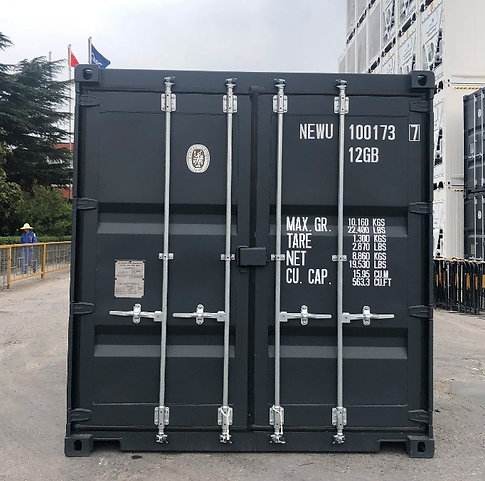
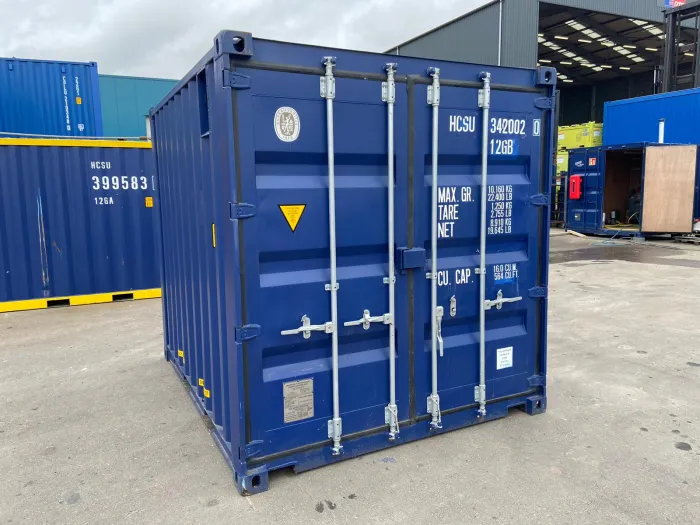
10′ DC Einweg-Versandcontainer

2,200.00  inkl. MwSt.
Der 10′-DC-Container ist einer unserer kleinsten Container. Er ist die perfekte Lösung für alle, die Stauraum benötigen und am Abladeort

Schreibe einen Kommentar

Deine E-Mail-Adresse wird nicht veröffentlicht. Erforderliche Felder sind mit * markiert